


Understanding responsible gambling Essential tips for a safe experience
What is Responsible Gambling?
Responsible gambling refers to the practice of gambling in a manner that prioritizes safety and well-being, allowing individuals to enjoy their gaming experiences without falling into harmful habits. It encompasses awareness of the risks associated with gambling and promotes strategies to mitigate those risks. Understanding the principles of responsible gambling helps players make informed choices, ultimately leading to healthier gaming practices.
At its core, responsible gambling is about striking a balance between entertainment and risk. It is essential for players to recognize their limits and engage in gambling activities as a form of entertainment rather than a means to achieve financial gain. This perspective can help mitigate the risk of developing problematic gambling behaviors that can negatively affect personal finances and mental health.
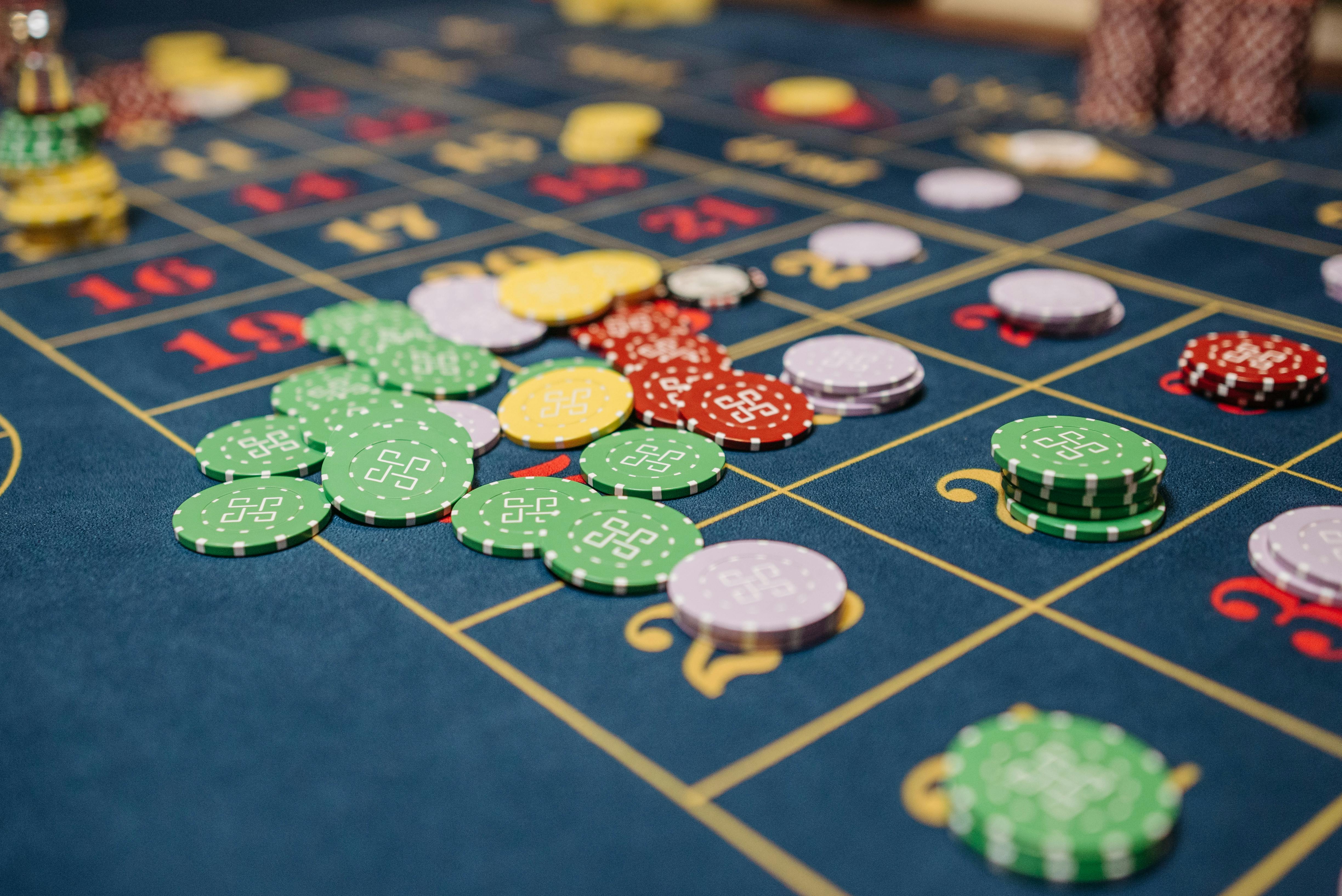
Promoting responsible gambling also involves understanding the various factors that can influence gambling behaviors, including social, psychological, and environmental elements. Being aware of these influences can empower individuals to make better decisions regarding their gambling habits, leading to a safer and more enjoyable experience. This awareness is crucial for creating a positive gambling environment.
Setting Limits and Managing Your Budget
One of the most effective ways to gamble responsibly is by setting clear limits on time and money spent on gaming activities. Establishing a budget before starting to play ensures that individuals can enjoy the experience without jeopardizing their financial stability. Players should determine an amount they can afford to lose and stick to it, treating gambling as a form of entertainment rather than an investment.
Managing time is equally important in maintaining a healthy gambling routine. Players should set specific timeframes for their gaming sessions to avoid excessive play. Creating a schedule not only helps players stay in control but also allows them to enjoy other activities outside of gambling, promoting a more balanced lifestyle.
Regularly reviewing one’s gambling habits is another critical aspect of responsible gaming. Players should take the time to assess whether their gambling aligns with their established limits and whether it remains a source of enjoyment. This reflection allows individuals to make necessary adjustments to their approach, ensuring that gaming remains a fun and safe activity.
The Role of Self-Exclusion Programs
Self-exclusion programs are essential tools that support individuals in taking proactive steps to manage their gambling behaviors. These programs allow players to voluntarily restrict their access to gambling facilities, whether physical venues or online platforms. By participating in self-exclusion, individuals can create a safety net that helps them avoid potentially harmful situations.
Many online casinos and gaming platforms offer self-exclusion options that can be customized to meet individual needs. Players can choose the duration of their exclusion, whether it be days, months, or even years, depending on their circumstances. This flexibility allows individuals to take control of their gambling habits in a way that best suits their needs.
Moreover, self-exclusion programs often come with resources and support systems designed to assist individuals struggling with gambling-related issues. These resources may include access to counseling, educational materials about responsible gambling, and support groups. By leveraging these tools, players can enhance their journey toward healthier gambling practices.
Recognizing Problem Gambling Signs
Being able to identify the signs of problem gambling is crucial for individuals and their loved ones. Common indicators may include a preoccupation with gambling, increased secrecy about gambling activities, and the need to gamble with larger amounts to achieve the same thrill. Recognizing these behaviors early can lead to timely intervention and support, reducing the risk of severe consequences.
Another sign to watch for is the tendency to chase losses. Players who find themselves consistently attempting to win back money they have lost may be entering dangerous territory. This behavior often results in even greater losses and can lead to financial turmoil. Understanding the difference between healthy play and problematic gambling behaviors is vital for maintaining a responsible approach.
Open communication with friends and family can also play a key role in identifying and addressing problem gambling. Loved ones may notice changes in behavior or mood that the individual may overlook. Encouraging discussions about gambling habits can foster a supportive environment, allowing for early intervention if necessary and ensuring the individual feels understood and supported.
Safe Gambling with TuffPuff Casino
Casino stands out as a prime example of an online gaming platform that emphasizes responsible gambling. With over 3,000 games from trusted software providers, the casino offers a diverse range of options while prioritizing player safety. New members can explore flexible welcome bonuses, allowing them to get started on their gambling journey responsibly.
The casino features robust security measures, ensuring that players can enjoy their gaming experience without worrying about personal safety or data security. Additionally, Casino is committed to promoting responsible gambling practices by providing resources and support for players who may need help managing their gaming habits.
With 24/7 customer support, players at Casino can easily reach out for assistance with any concerns they may have regarding responsible gambling. The platform’s loyalty program further rewards dedicated players while maintaining a focus on safe gaming practices. This commitment to responsible gambling creates a positive and engaging environment for all users, ensuring a rewarding experience.